AUDIO TOURS IN AMSTERDAM
A city built on 11 million wooden poles, where Rembrandt went bankrupt and the world's first stock market crash brought a nation to its knees — over tulips.
Start ExploringExplore Amsterdam Your Way
The best stories aren't in the guidebook. These audio tours take you past Rembrandt's bankruptcy, the tulip crash and the occupation — the things most visitors walk straight past.

A Short History of Amsterdam
Period 1:
From Swamp to Golden Age
Amsterdam began as a muddy fishing settlement where the Amstel met the IJ. A dam built around 1270 gave the city its name — and its ambition. By the seventeenth century, that small trading post had become the centre of a global empire.
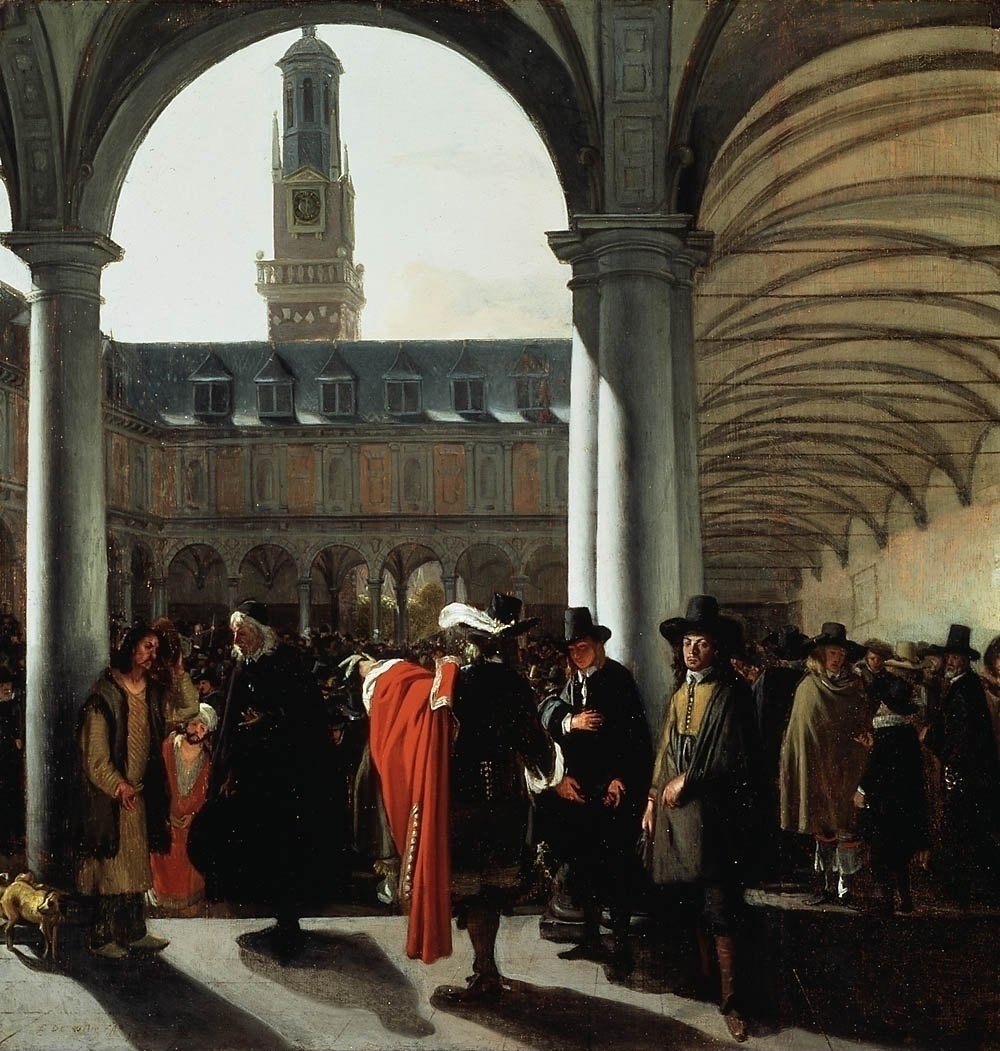
The Golden Age transformed everything. Ships returned from Asia laden with spices, the world's first stock exchange opened on Rokin, and merchants built the canal ring we still walk today. Rembrandt painted in a house on Jodenbreestraat — and went bankrupt there too. The same city that celebrated him let him die in obscurity.
This was Amsterdam's great contradiction: extraordinary wealth built on global trade, but also on exploitation. The warehouses along the canals stored goods from plantations where enslaved people worked. The Golden Age gleamed, but its foundations were darker than the paintings suggest.
Period 2:
Occupation, Resistance, and Memory
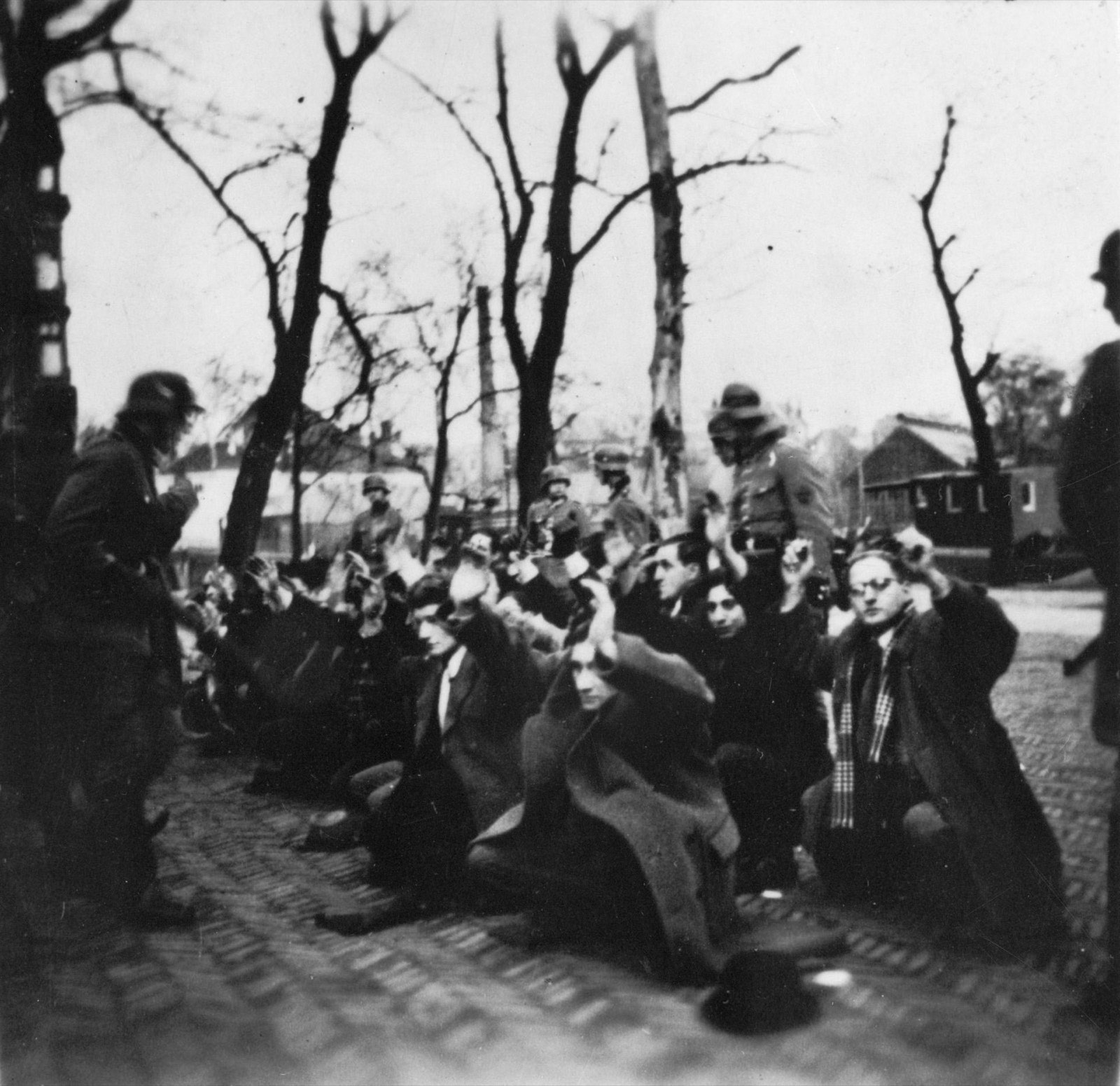
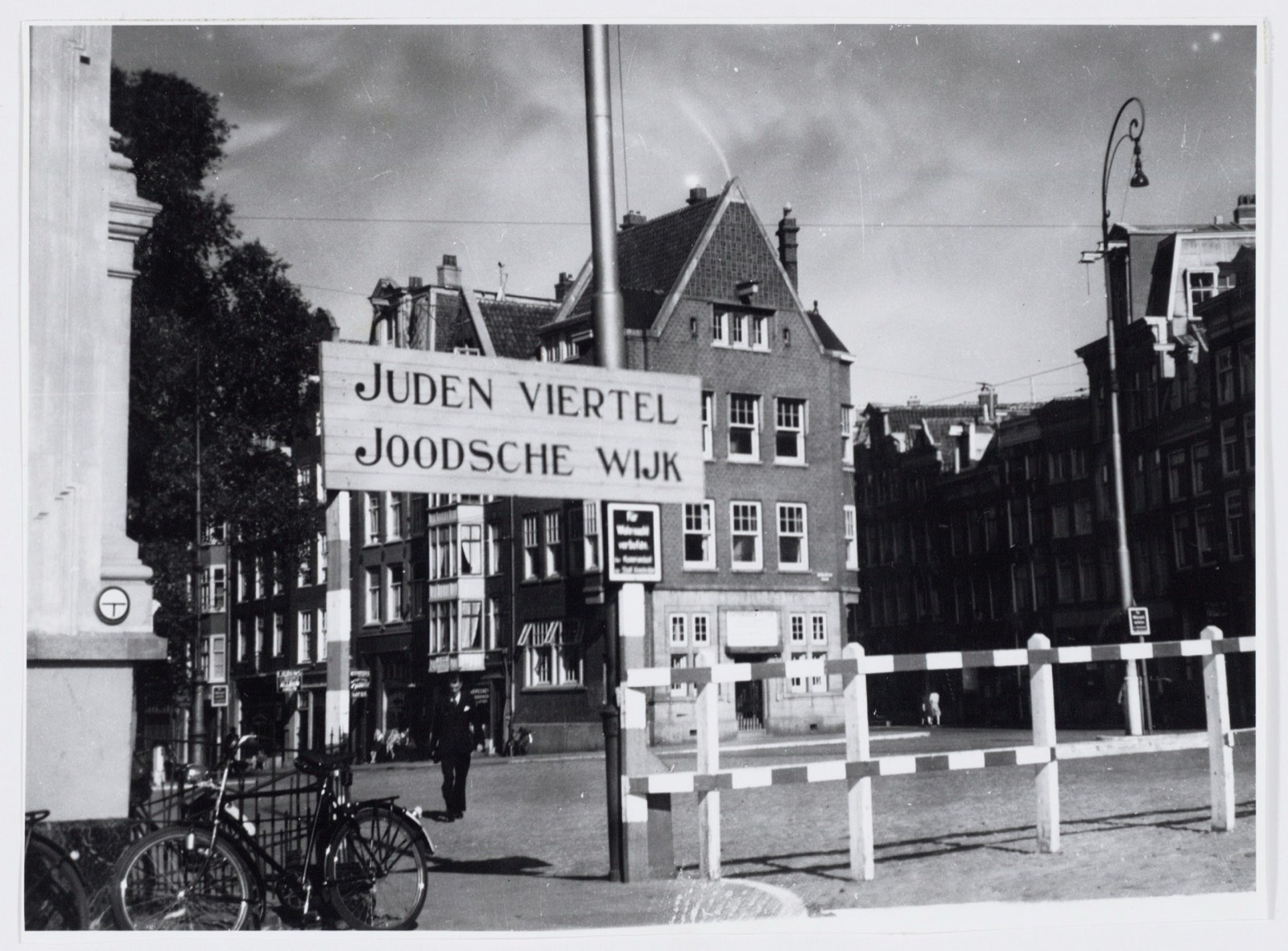
The Second World War tore through Amsterdam's soul. Before 1940, the city was home to eighty thousand Jews — artists, diamond cutters, market traders, professors. By 1945, fewer than five thousand remained. The deportations happened in plain sight: families marched to trains at the Hollandsche Schouwburg, children separated from parents at the crèche across the street.
But resistance flickered throughout the city. In February 1941, Amsterdam staged the only mass protest against Nazi persecution of Jews in occupied Europe — the February Strike. Workers walked off the job, trams stopped running, and for two days the city stood still. The strike was crushed, but it became a symbol of defiance that the city still commemorates.