AUDIO TOURS IN ANTWERP
The city where Rubens painted, diamonds are cut, and a fashion revolution started in a classroom.
Start ExploringExplore Antwerp Your Way
Rubens' studio, the diamond quarter, the classroom that changed fashion — three audio tours through the Antwerp the guidebooks compress into a paragraph.
A Short History of Antwerp
Period 1:
The Golden Scheldt
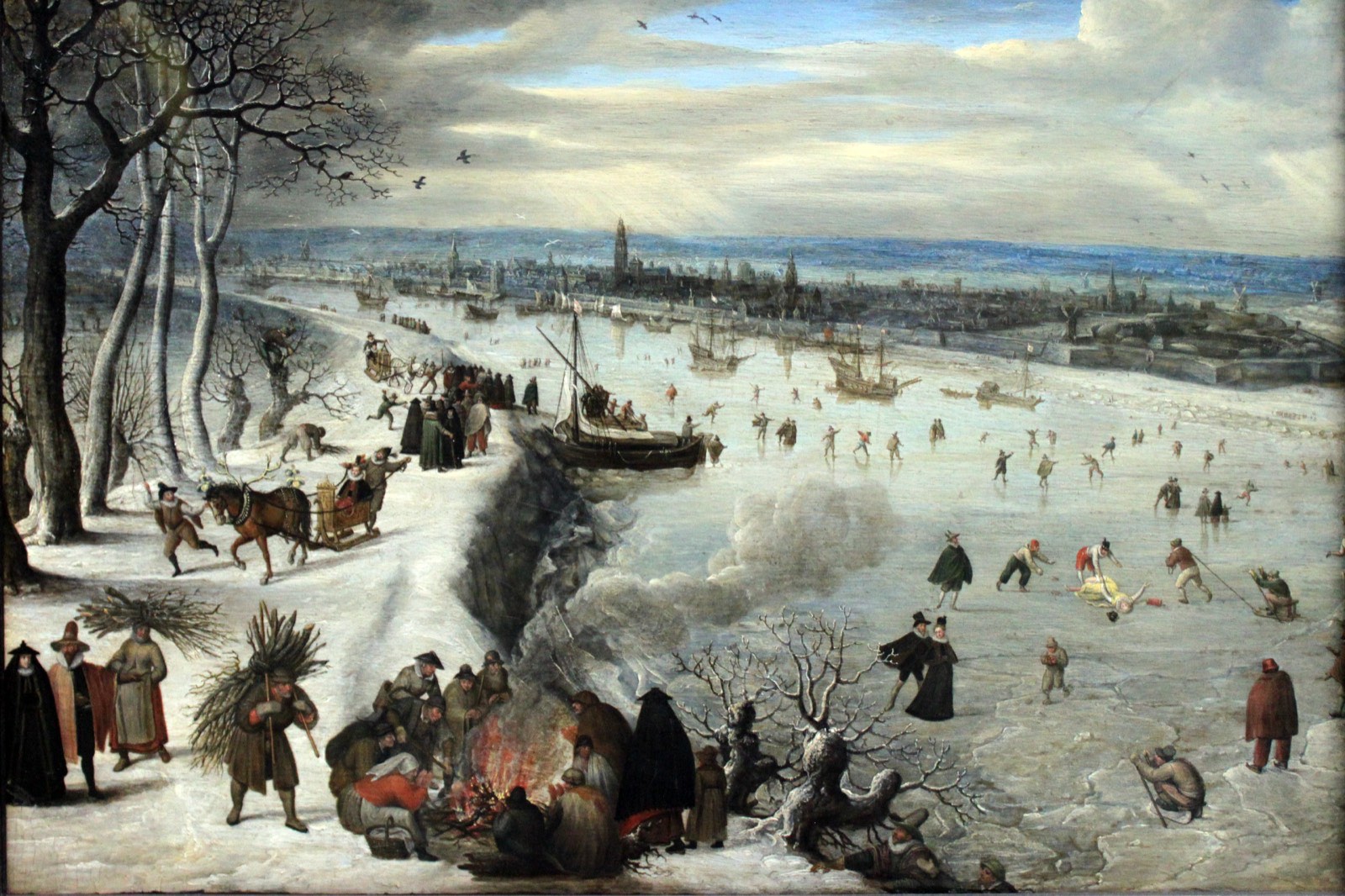
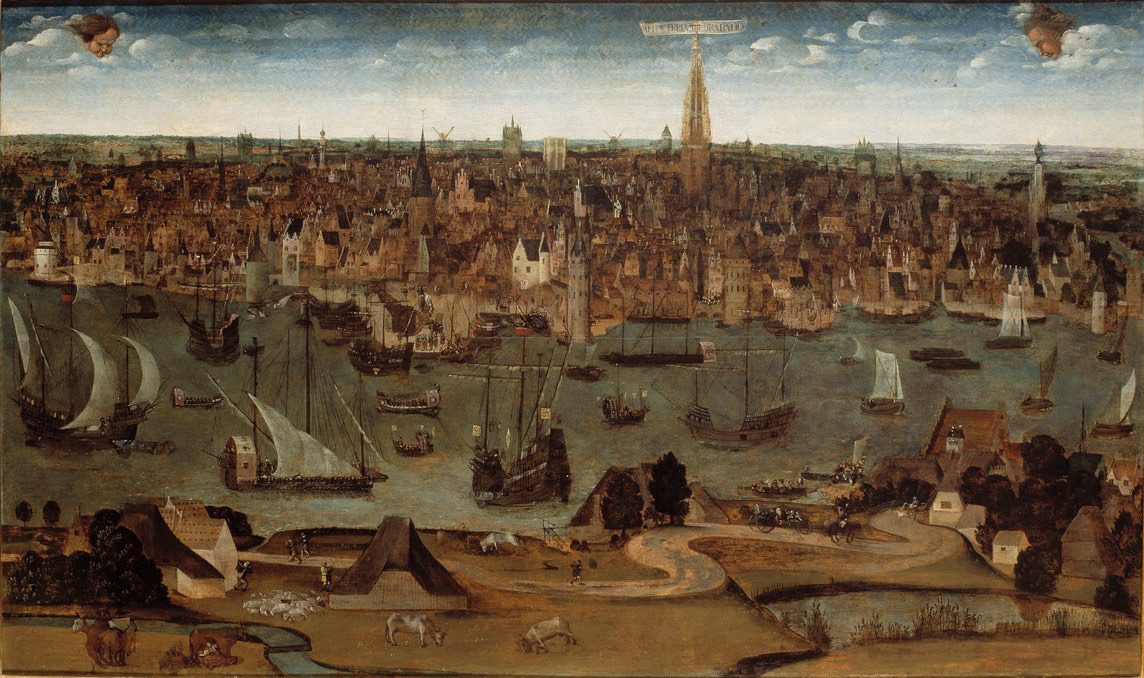
Antwerp owes everything to the Scheldt river. By the fifteenth century, the city had grown into one of the richest in Europe. When Bruges' harbour silted up, merchants moved south to Antwerp. The city became the trading hub of the known world — spices from Asia, silver from the Americas, wool from England all passed through its docks. In the sixteenth century, Antwerp was arguably the most important city in Europe. The first stock exchange was built here. Printing houses produced more books than any city outside Venice. Wealthy merchants commissioned art from the best painters in Flanders. Then came Peter Paul Rubens, who turned his Antwerp studio into a factory of masterpieces, employing assistants to keep up with demand from kings, popes, and collectors across Europe. But golden ages end. In 1576, Spanish troops sacked the city in what became known as the Spanish Fury — three days of unrestrained violence that killed thousands. Then the Scheldt was closed by the Dutch in 1585, strangling Antwerp's trade. The city's best minds, merchants, and artists fled north to Amsterdam. Antwerp's loss became Amsterdam's gain.
Period 2:
Diamonds, Fashion, and Reinvention
Antwerp reinvented itself more than once. By the nineteenth century, it had become the diamond capital of the world. The diamond district near the train station grew into a tightly knit community of cutters, polishers, and traders — many of them from the city's Jewish and later Indian communities. Even today, over 80% of the world's rough diamonds pass through Antwerp. The city's next reinvention came from an unlikely source: a fashion school. In 1988, six graduates from the Royal Academy of Fine Arts crashed London Fashion Week with their radical designs. The press dubbed them the Antwerp Six, and overnight the city was on the fashion map. Dries Van Noten, Ann Demeulemeester, and their peers proved that world-class creativity could come from a mid-sized Flemish city. Then came the harbour. Antwerp's port, already one of Europe's largest, expanded dramatically in the late twentieth century. The old docks north of the city centre were transformed into the Eilandje district — a mix of loft apartments, museums, and restaurants where container cranes still dot the skyline. The MAS museum, opened in 2011, rises like a stack of shipping containers and offers a panoramic view of a city that has always known how to turn trade into culture. Today, Antwerp sits at the intersection of its own contradictions: Rubens and streetwear, diamonds and dock workers, Flemish pride and global ambition.