AUDIO TOURS IN ROTTERDAM
The city that was wiped off the map in fourteen minutes and rebuilt itself into Europe's boldest skyline.
Start ExploringExplore Rotterdam Your Way
A city erased in fourteen minutes and rebuilt on its own terms. These audio tours cover the war, the rebuild, and the Rotterdam that came out of it.
A Short History of Rotterdam
Period 1:
From Fishing Village to Europe's Largest Port
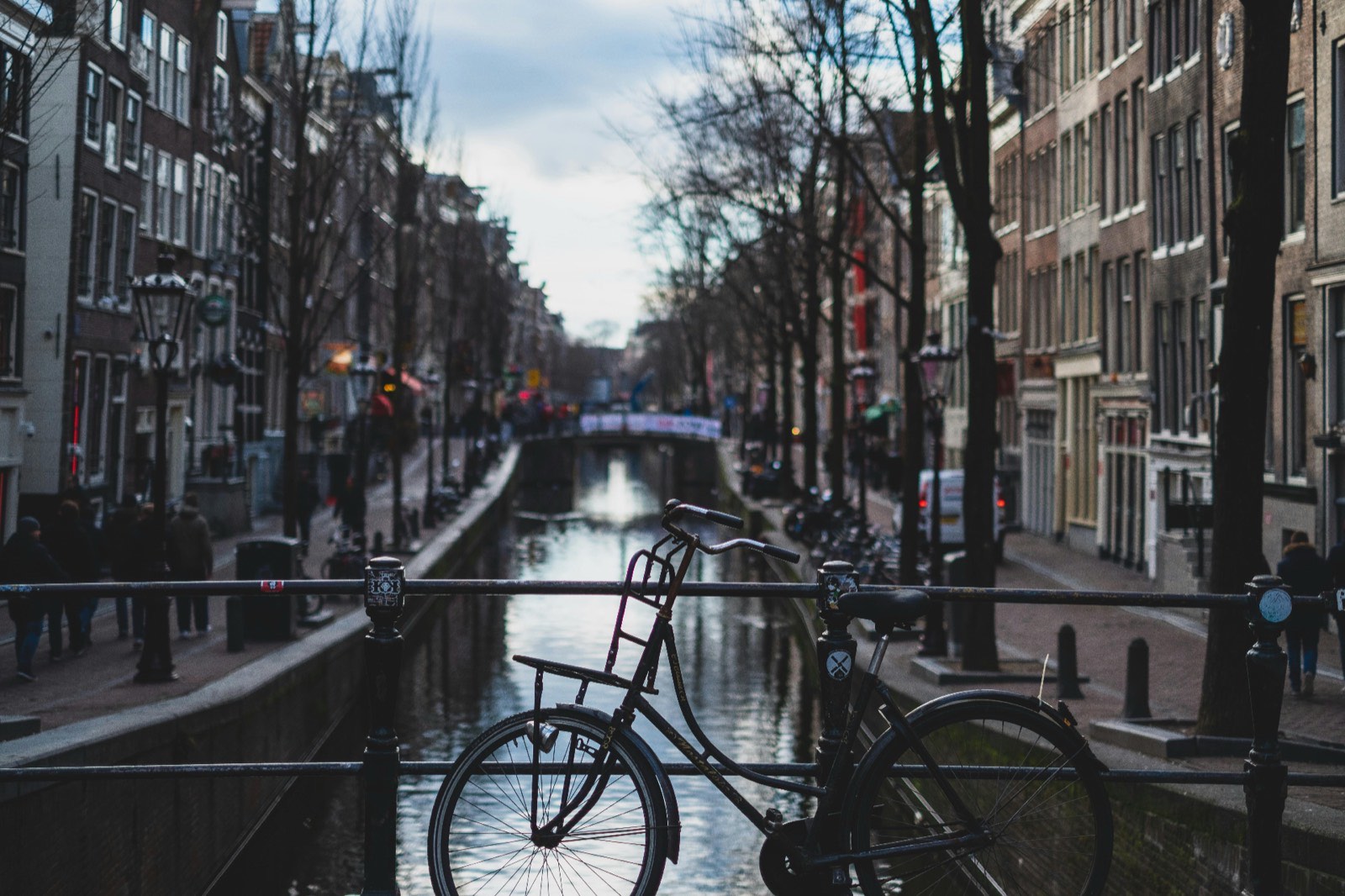
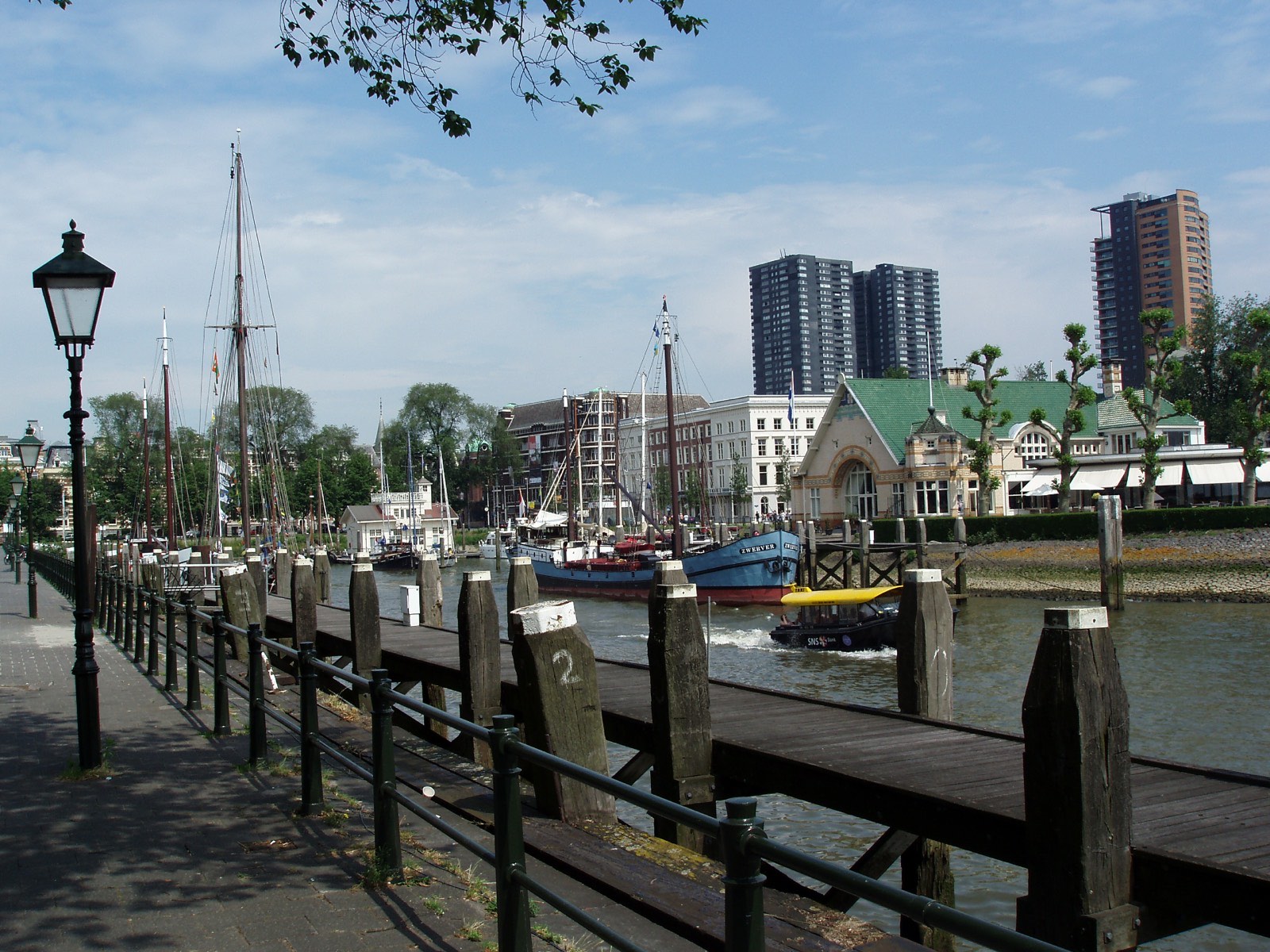
Rotterdam started as a small settlement where the Rotte river met the Maas. A dam built in 1270 gave the city its name. For centuries, it lived in the shadow of Delft and Dordrecht. That changed when the Nieuwe Waterweg was dug in the 1860s, creating a direct link between the port and the North Sea. Rotterdam became the gateway to Europe. By the early twentieth century, the harbour had grown into the largest in the world. The Holland-America Line shipped millions of emigrants from Rotterdam to New York. The city centre was dense, industrial, and alive — narrow streets lined with cafes, churches, and markets. The Witte Huis, completed in 1898, was the first high-rise building in Europe. De Bijenkorf department store, designed by architect Dudok and opened in 1930, was the largest in the continent. Rotterdam was a working city. It had no Rijksmuseum, no canal ring, no royal palace. What it had was ambition, grit, and a harbour that connected the Netherlands to the world.
Period 2:
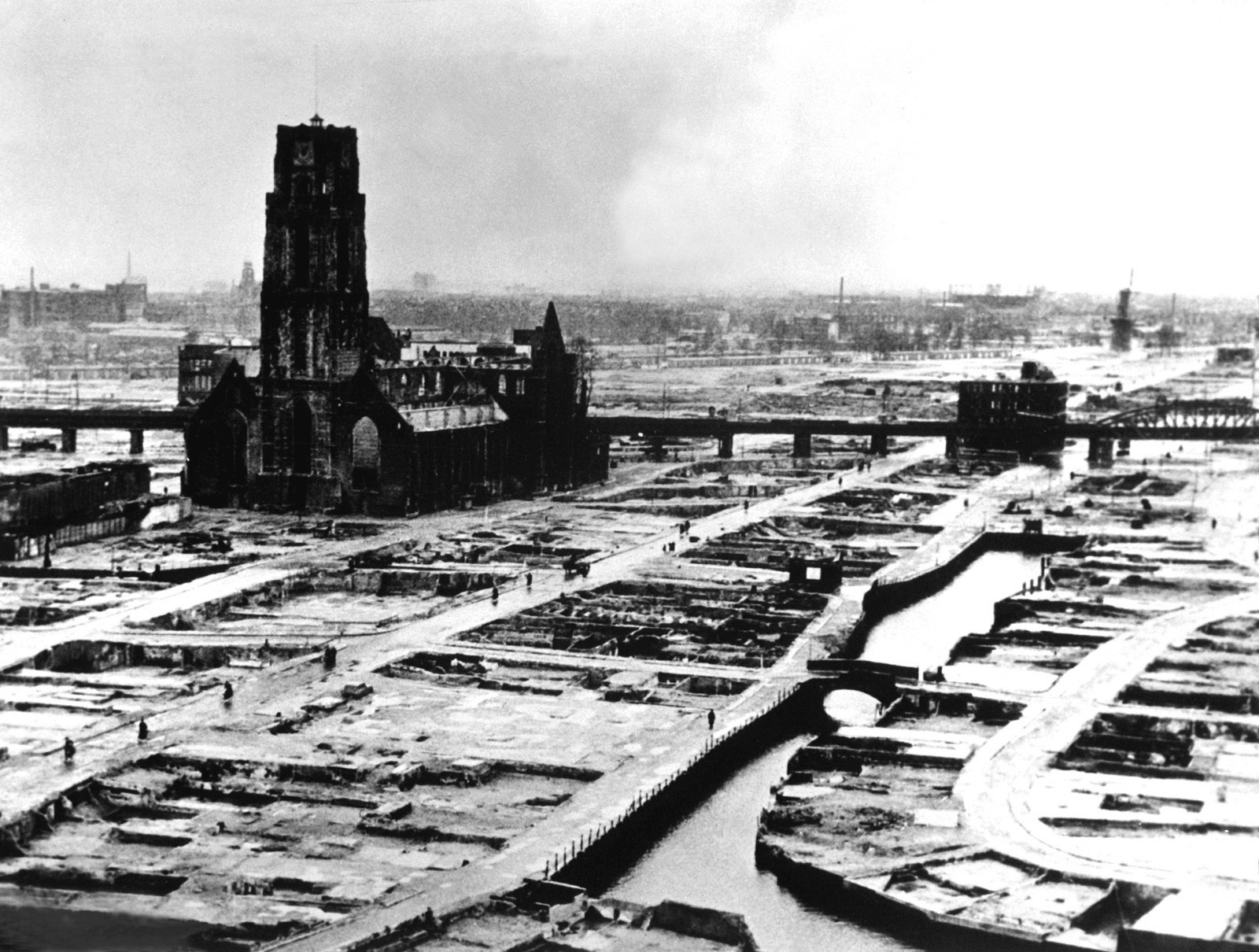
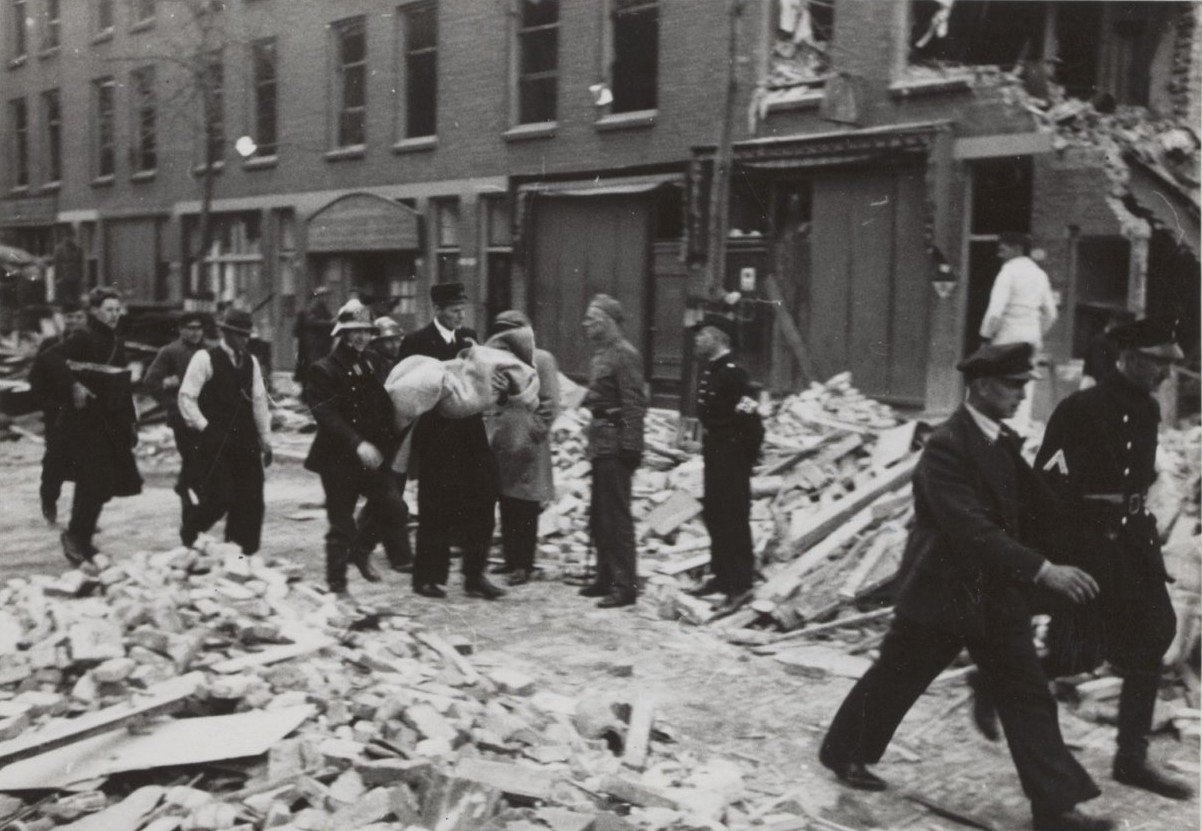
Fourteen Minutes That Changed Everything
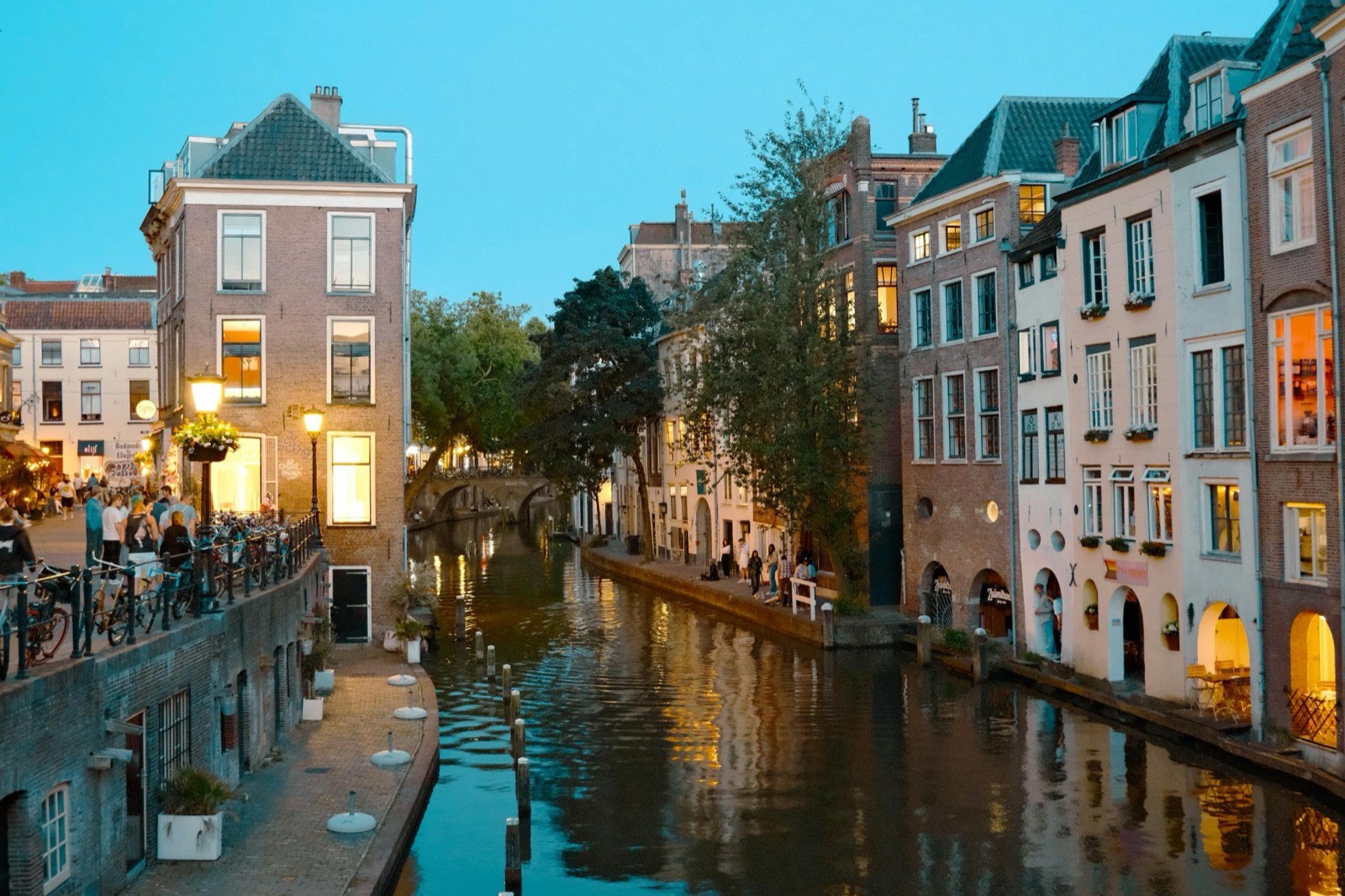
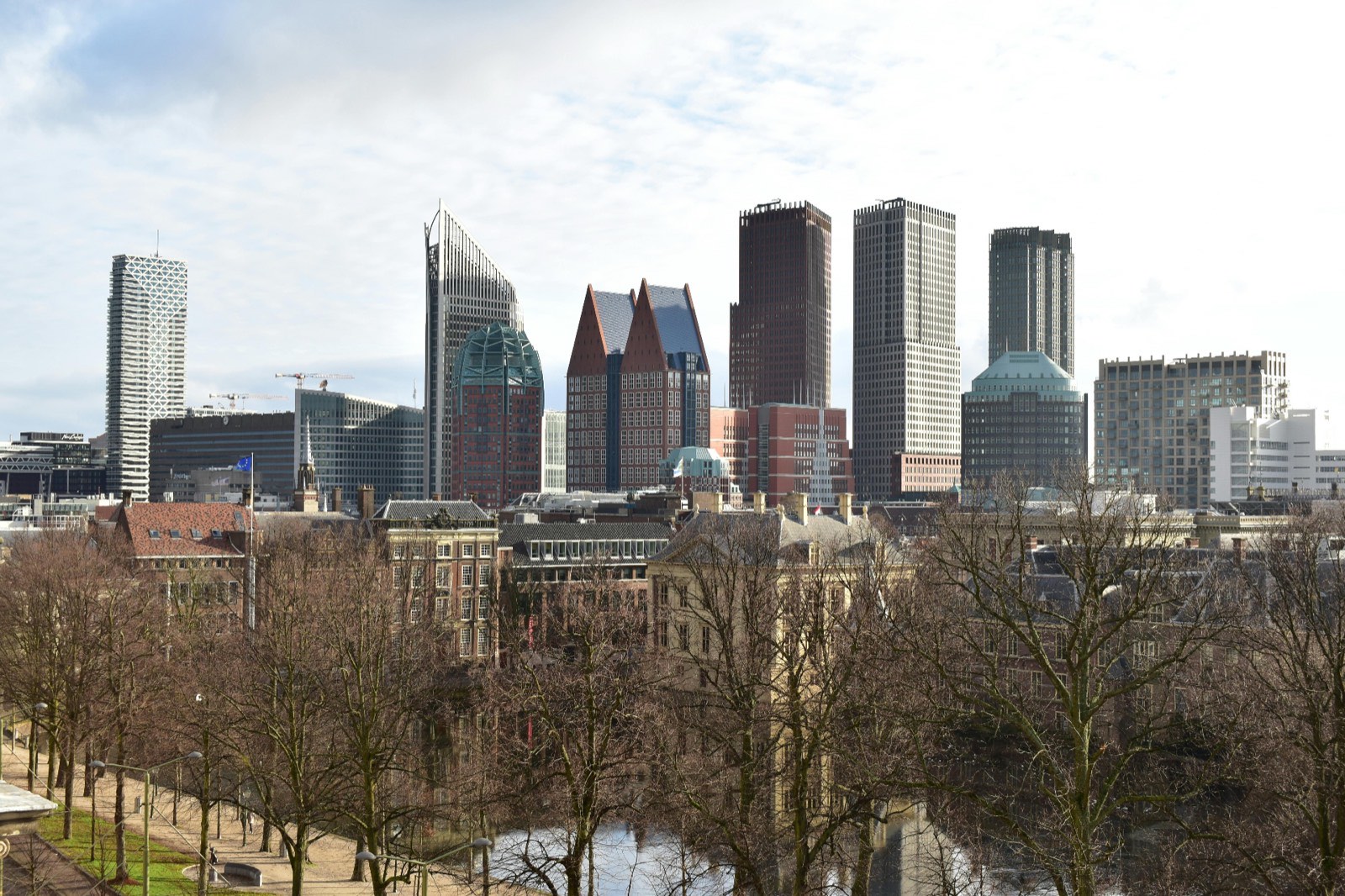
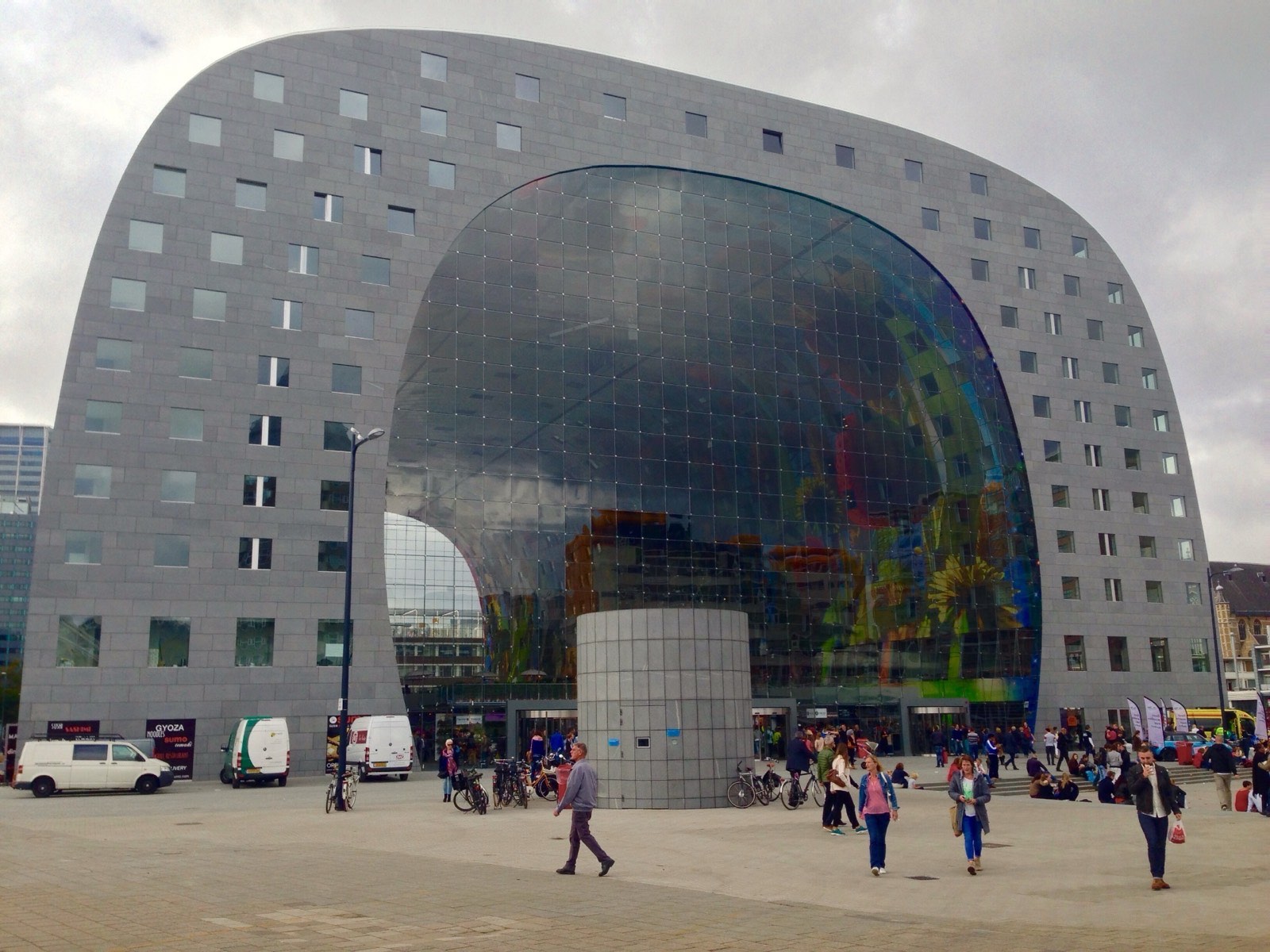
On May 14, 1940, the Luftwaffe dropped its bombs on Rotterdam's city centre. The raid lasted about fourteen minutes. The fires that followed lasted for days. When the smoke cleared, the entire historic heart of the city was gone. Over 80,000 people were homeless. Around 900 were dead. The only medieval building left standing was the Laurenskerk, badly damaged but still upright. The Netherlands surrendered the next day. Rotterdam's destruction was used as a threat: the same would happen to Utrecht if resistance continued. What happened next defined the city. Instead of rebuilding the old centre, Rotterdam chose to start over. Architect Cornelius van Traa drew up the Basisplan in 1946 — wide boulevards, modernist blocks, and a completely new street grid. The Lijnbaan, opened in 1953, became Europe's first pedestrian shopping street. Rotterdam embraced the future because it had no past left to hold on to. Today, the city skyline is a showcase of bold architecture: the Cube Houses, the Erasmus Bridge, the Markthal, De Rotterdam. It is the only major Dutch city where you look up instead of down. The hole that was bombed into the city became the space where the Netherlands experimented with what a modern city could be.