AUDIO TOURS IN BARCELONA
The city that has been building one church for over 140 years, staged an Olympics on a man-made beach, and speaks a language that isn't Spanish.
Start ExploringExplore Barcelona Your Way
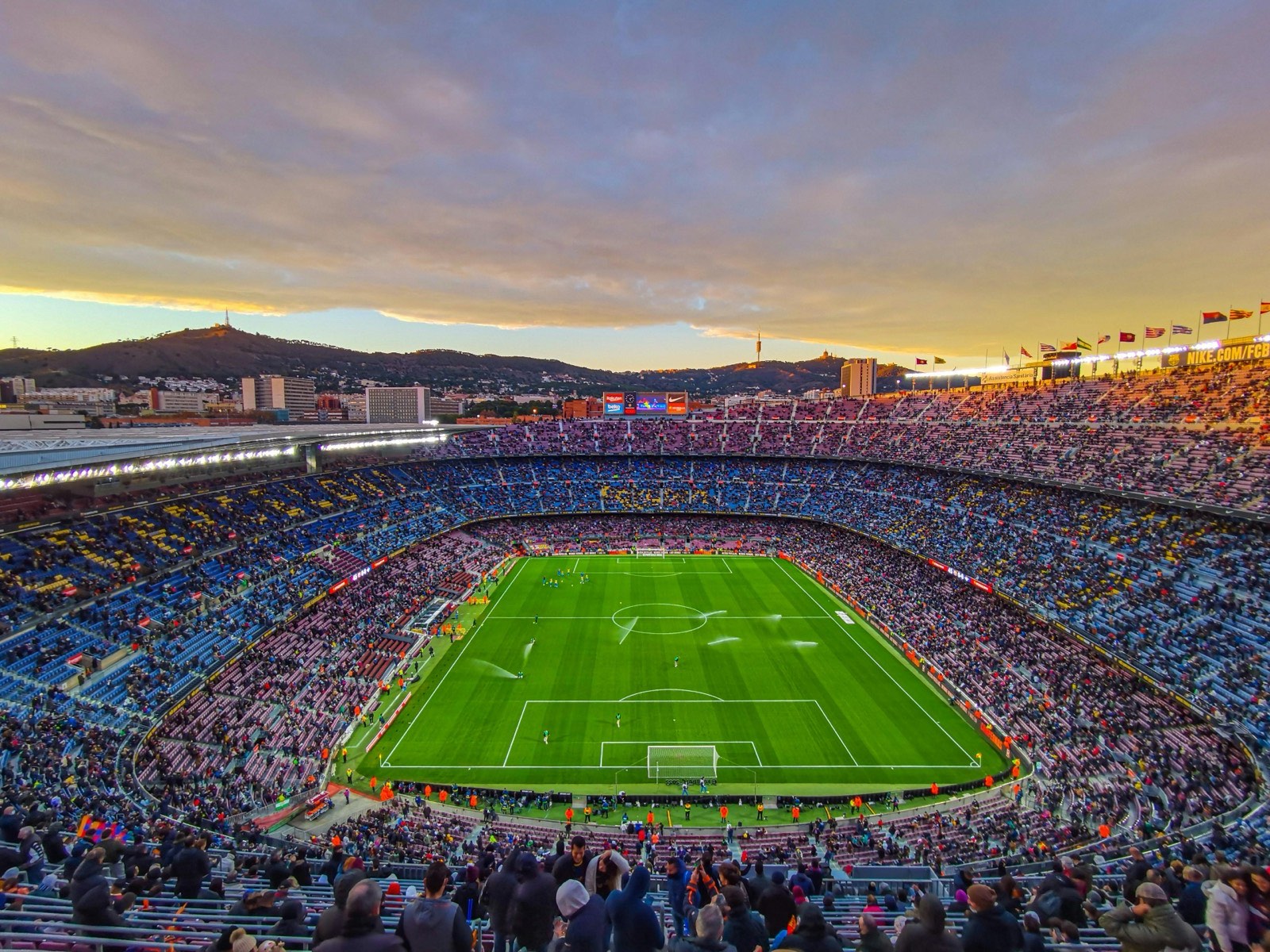
From the terraces of Camp Nou to the fortress on Montjuïc, these audio tours tell you what Barcelona actually did — not what the postcard says it did.
A Short History of Barcelona
Period 1:
From Roman Colony to Mediterranean Powerhouse
Barcelona was founded as Barcino by the Romans in the first century BC, built on a small hill overlooking the sea. Fragments of the original walls still stand in the Gothic Quarter, visible in basements and behind medieval facades. After the fall of Rome, the Visigoths made it their capital, then the Moors took it briefly before Charlemagne's Franks recaptured it in 801. The city hit its stride in the Middle Ages. The Crown of Aragon, with Barcelona as its capital, became a Mediterranean superpower, controlling trade routes from Valencia to Naples to Athens. The Gothic Quarter grew into a maze of palaces, churches, and guild halls. The Llotja de Mar, Barcelona's medieval stock exchange, rivalled any in Europe. Then came 1714. During the War of the Spanish Succession, Barcelona backed the losing side. When Philip V's forces took the city on September 11 — now Catalonia's national day — he demolished an entire neighbourhood to build a military fortress, the Ciutadella, aimed at keeping the Catalans in line. The Catalan language was suppressed, the parliament dissolved. Barcelona wouldn't fully recover until the industrial boom of the nineteenth century, when textile mills, Modernista architecture, and a renewed sense of Catalan identity transformed the city once again.
Period 2:
Gaudí, the Olympics, and the Return of Catalonia
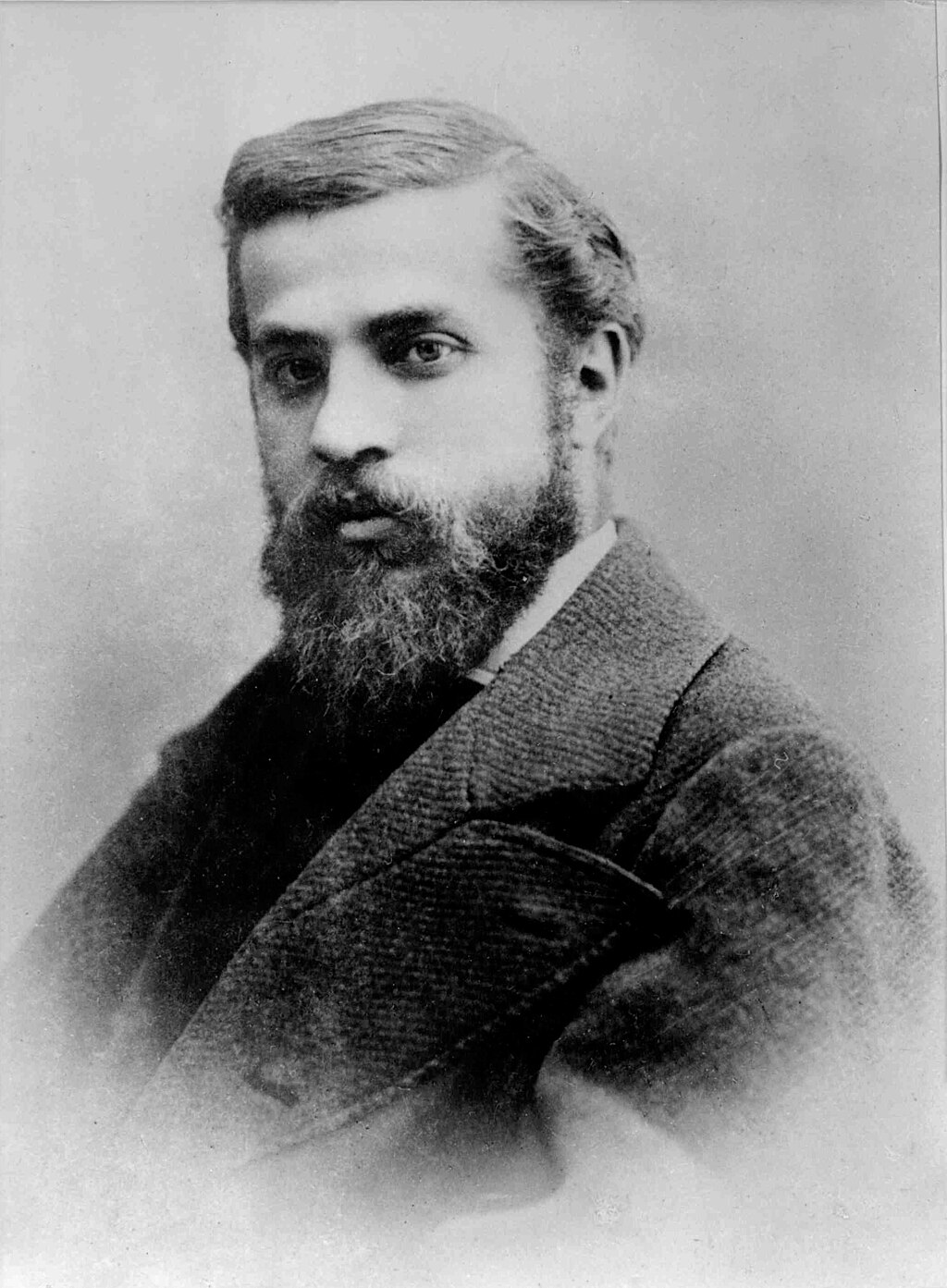
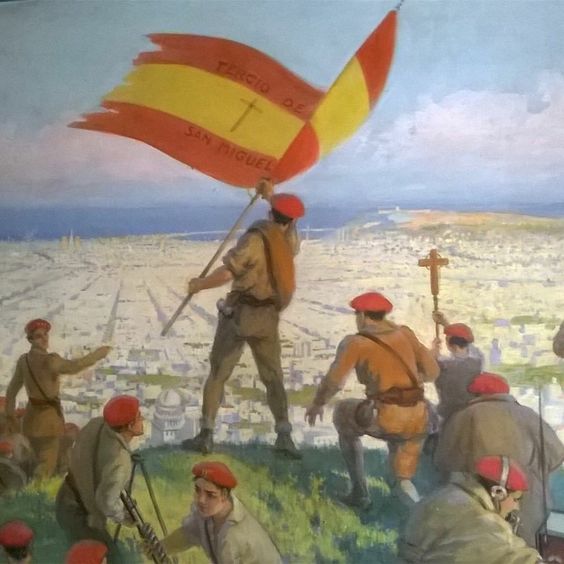
Barcelona's industrial boom in the nineteenth century created a new class of wealthy families who wanted a new kind of city. The old medieval walls came down, and the Eixample district was planned on a geometric grid. Into this expanding city stepped Antoni Gaudí, an architect unlike any before or since. His Sagrada Familia, begun in 1882 and still unfinished, became Barcelona's defining symbol — a cathedral that seems to grow from the earth like a living thing. Gaudí wasn't alone. The Modernista movement gave Barcelona Casa Batlló, the Palau de la Música Catalana, and the Hospital de Sant Pau — buildings that turned architecture into spectacle. The city was building an identity distinct from Madrid, rooted in Catalan language, culture, and ambition. After decades of repression under Franco, Barcelona's moment of global arrival came in 1992. The Olympic Games transformed the city physically — a new waterfront, Barceloneta beach (the city had essentially turned its back on the sea), the Montjuïc sports complex, and a ring road that finally connected the city's sprawling neighbourhoods. Barcelona used the Olympics the way it uses everything: as a tool for reinvention. Today, the tension between global tourism and local identity defines the city. Catalans still debate independence, Gaudí's church is still being built, and Barcelona remains a city that is never quite finished becoming itself.