AUDIO TOURS IN THE HAGUE
The city where peace was invented, kings still live, and the beach is just a tram ride from parliament.
Start ExploringExplore The Hague Your Way
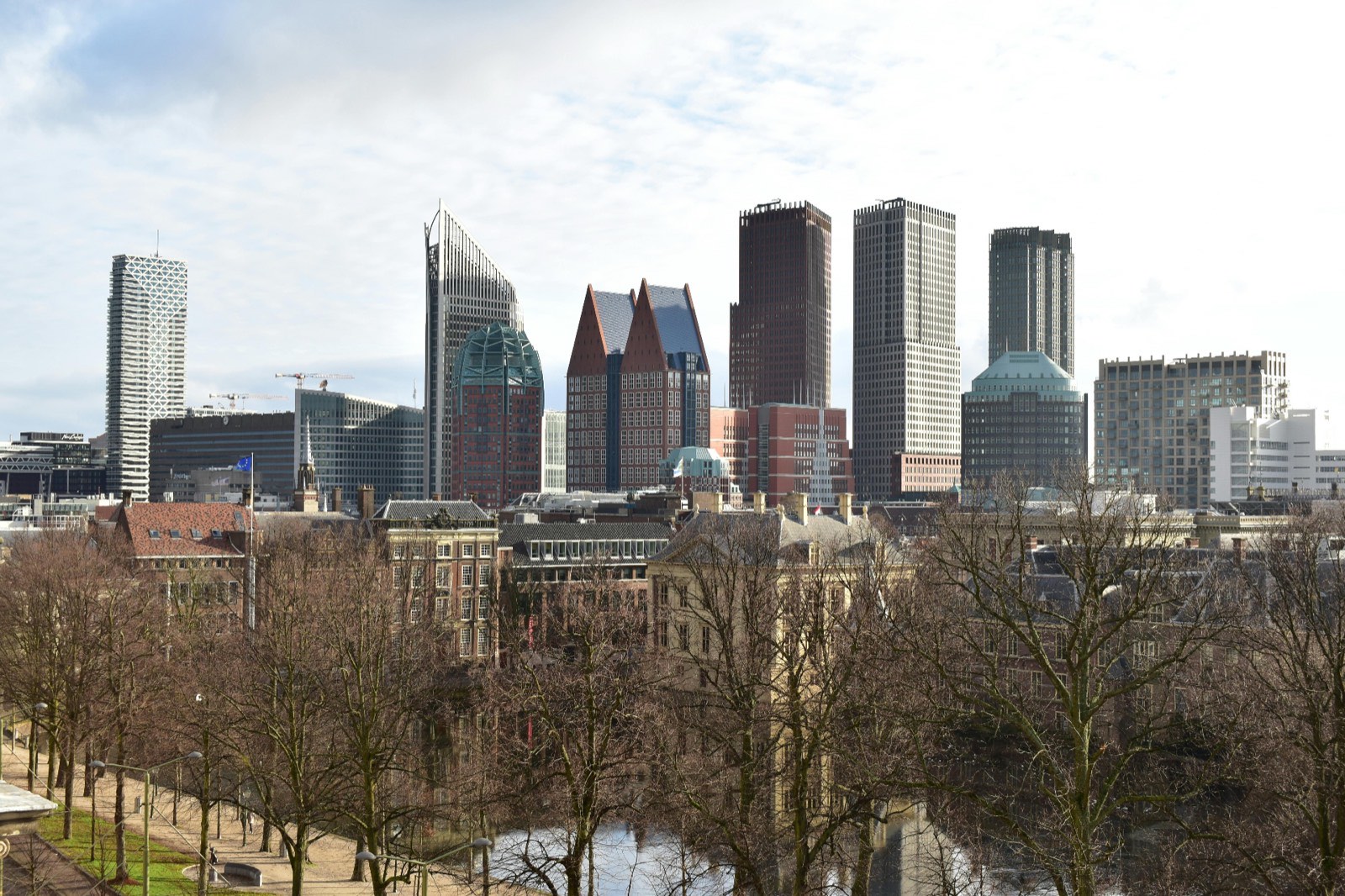
Parliament, palaces, and a beach two tram stops away — audio tours through the city where peace was invented and kings still live.
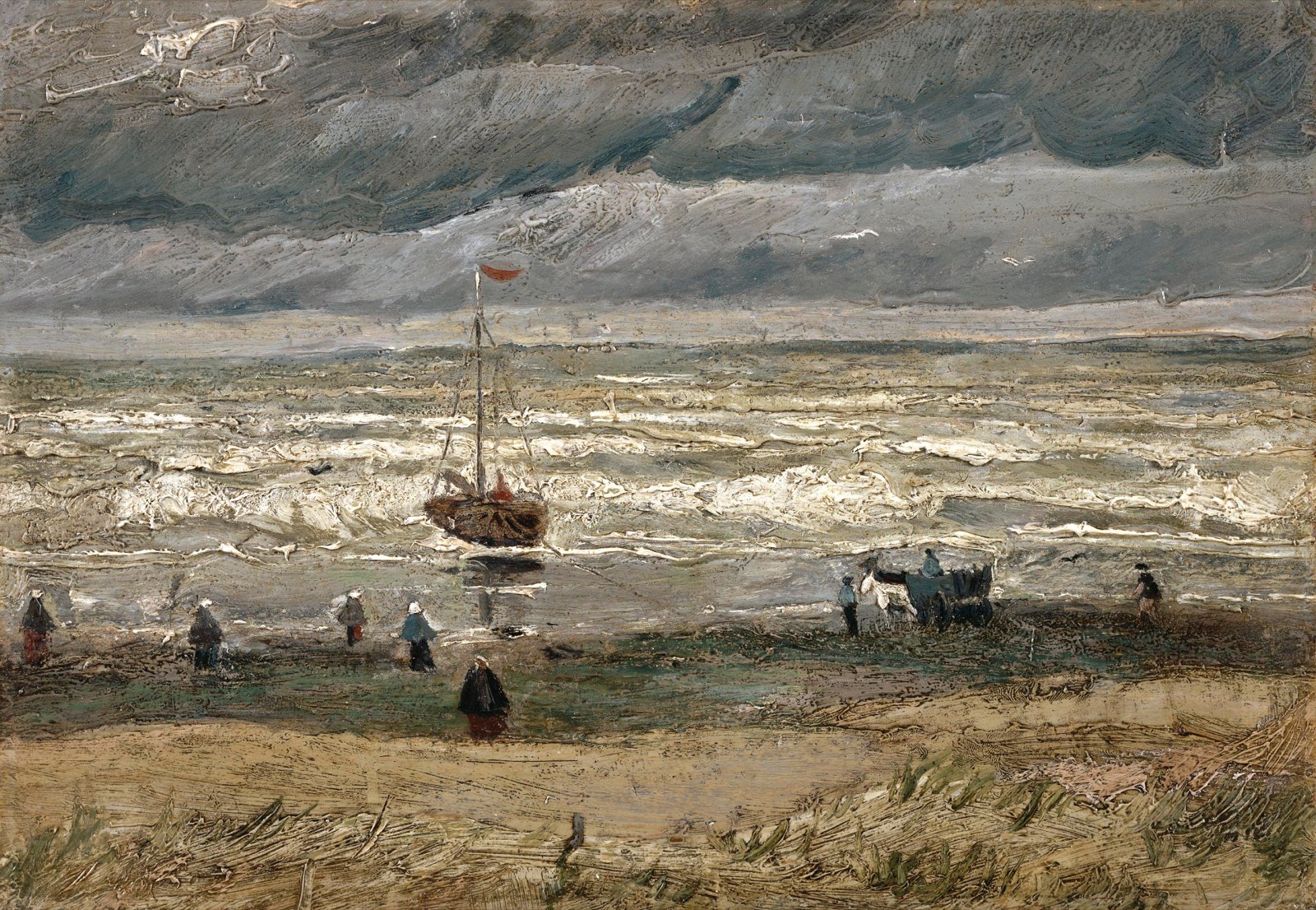
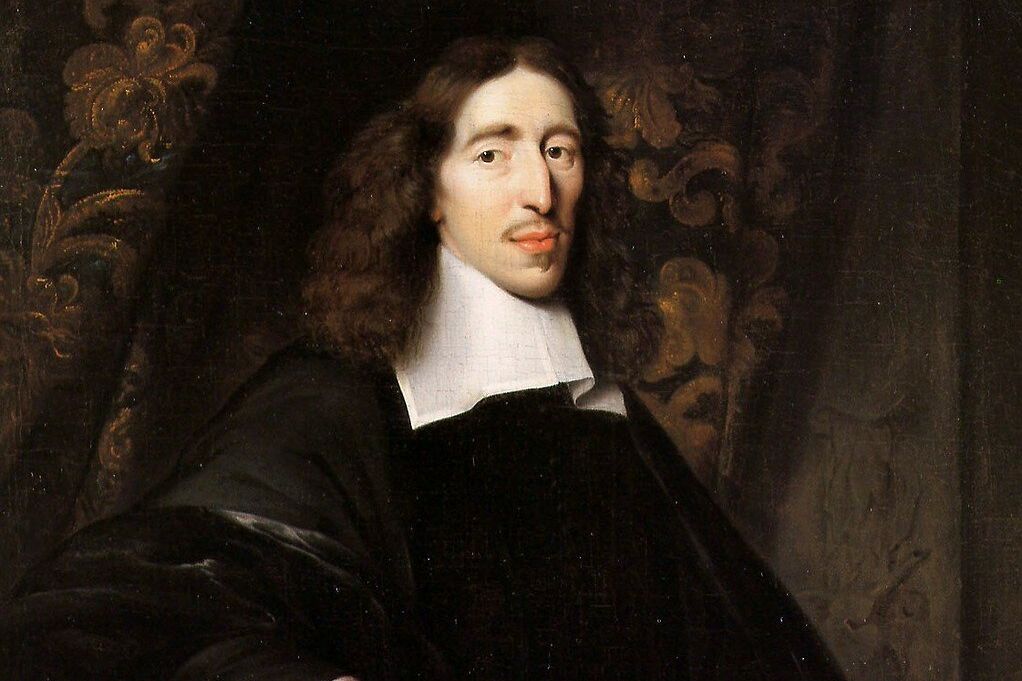
A Short History of The Hague
Period 1:
From Hunting Ground to Seat of Power
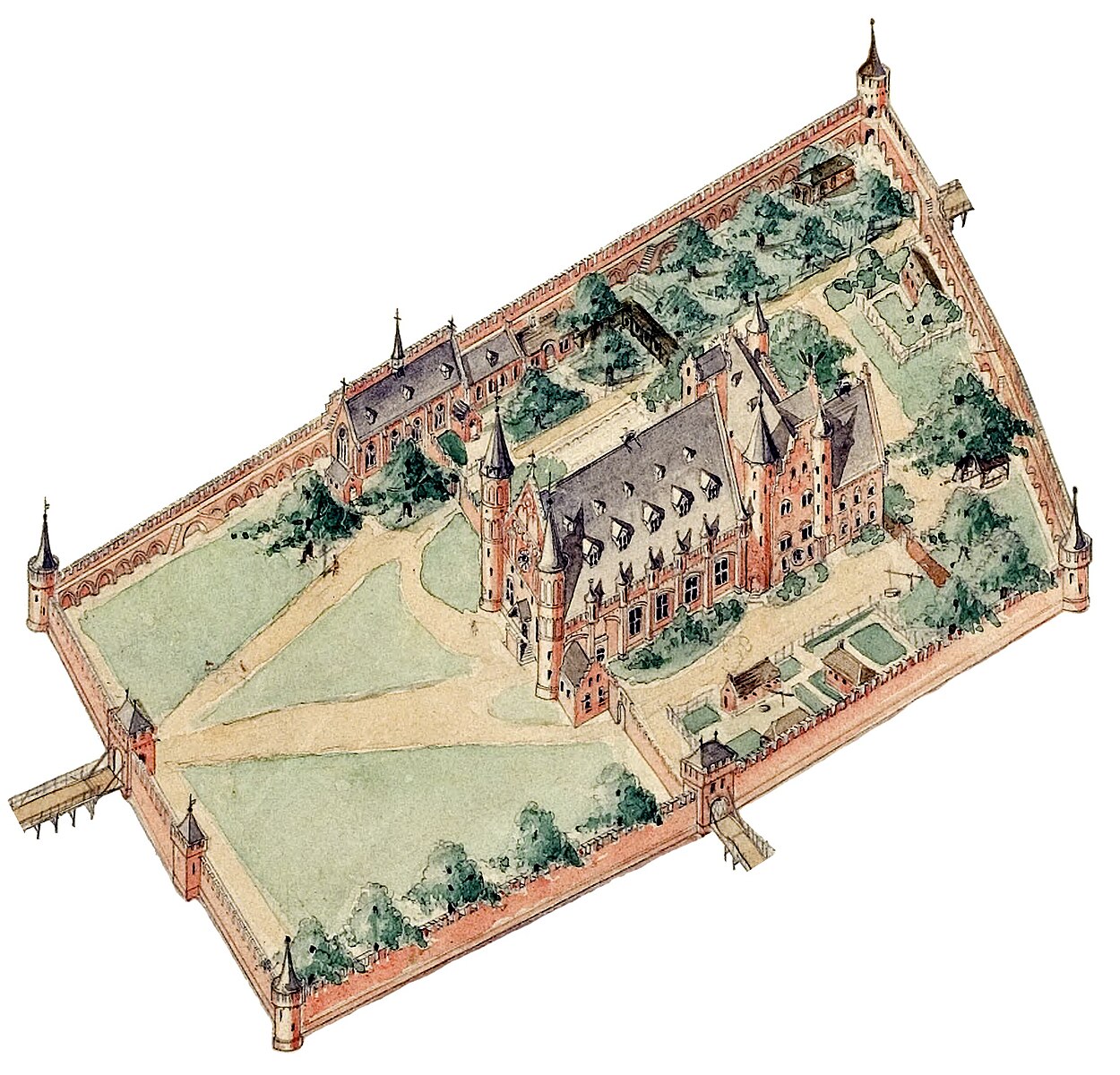
The Hague was never supposed to be a capital. It started as a hunting lodge, built by Count Floris IV of Holland around 1230 in the woods near the North Sea coast. His successors expanded it into the Binnenhof, the medieval complex that still serves as the seat of the Dutch government today. For centuries, The Hague was technically a village — it had no city walls, no city rights. While Amsterdam boomed with trade and Rotterdam built ships, The Hague quietly accumulated power. The States-General met here. Foreign ambassadors arrived. The House of Orange made it their home. Hugo Grotius, born in Delft but working in The Hague, wrote the foundations of international law here in the early 1600s. Spinoza spent his final years thinking and writing in a small room on the Paviljoensgracht. By the nineteenth century, The Hague had become the diplomatic heart of Europe. In 1899 and 1907, the Peace Conferences were held here — the first serious attempts to create rules of war and mechanisms for peace between nations. Andrew Carnegie donated the money to build the Peace Palace, which opened in 1913. A year later, the First World War broke out.
Period 2:
The Atlantic Wall and the City That Was Torn Apart
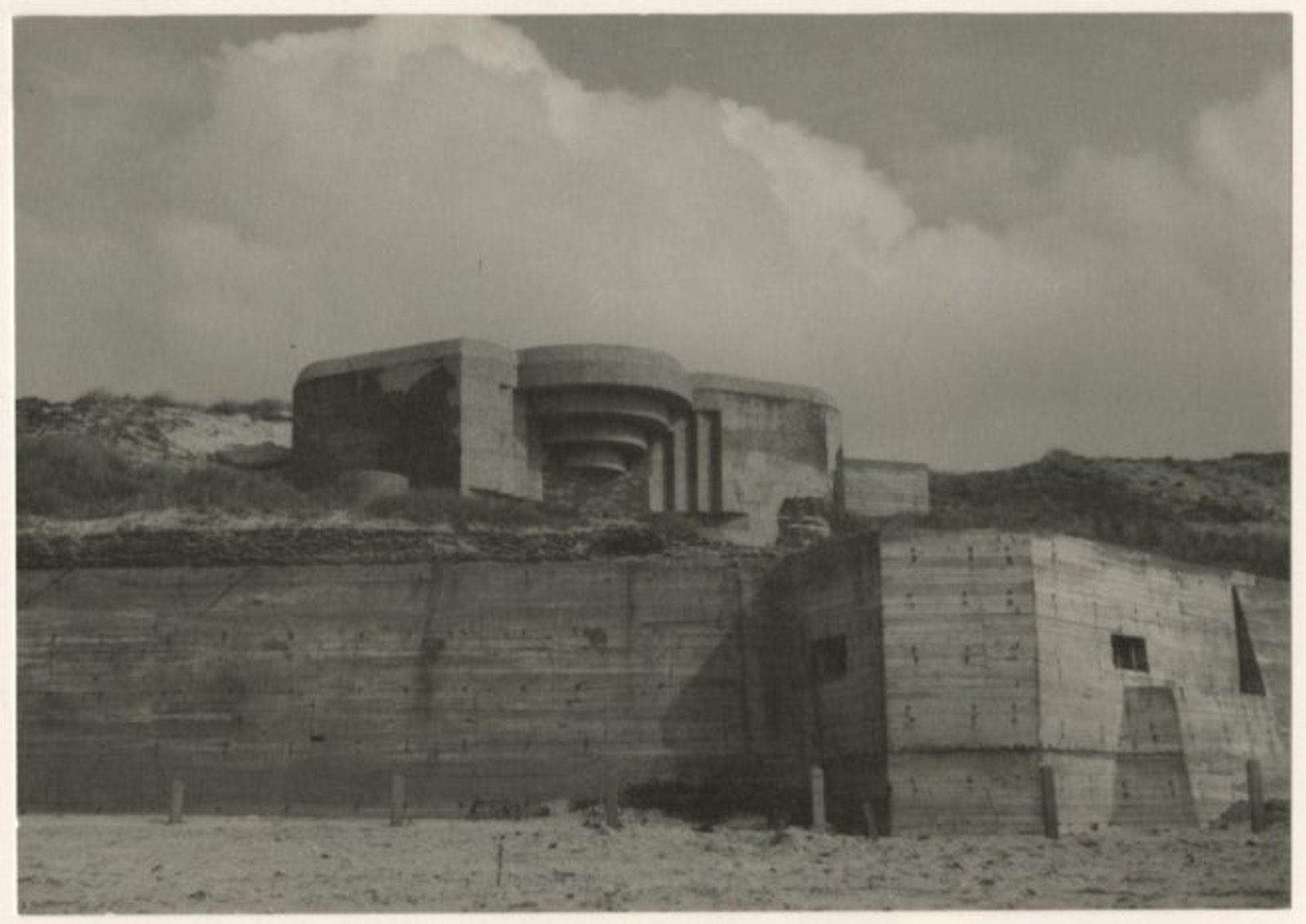
During the Second World War, The Hague suffered a unique kind of destruction. The Germans built the Atlantikwall along the North Sea coast, a massive line of concrete bunkers and fortifications designed to repel an Allied invasion. In The Hague, this meant entire neighbourhoods were demolished to create clear lines of fire. Thousands of families were forced from their homes in Scheveningen and the surrounding areas. The most devastating blow came on March 3, 1945, when the British Royal Air Force attempted to bomb V2 rocket launch sites hidden in the Haagse Bos, the ancient forest at the edge of the city centre. The bombs missed their target and hit the Bezuidenhout neighbourhood instead. Over 500 people were killed and more than 3,000 homes were destroyed in what became one of the deadliest Allied bombing errors of the war. After liberation, The Hague rebuilt — and doubled down on its identity as a city of peace. The International Court of Justice moved into the Peace Palace. Later came the International Criminal Court, Europol, and over 500 international organisations. The city that was torn apart by war became the place where the world comes to seek justice.