AUDIO TOURS IN PARIS
The city that invented the restaurant, survived a revolution, and turned an iron tower into the most visited monument on Earth.
Start ExploringExplore Paris Your Way
Paris rewards walking one arrondissement at a time. These audio tours take the second, the third and the seventh — the streets between the monuments.
A Short History of Paris
Period 1:
From Mud Island to City of Light
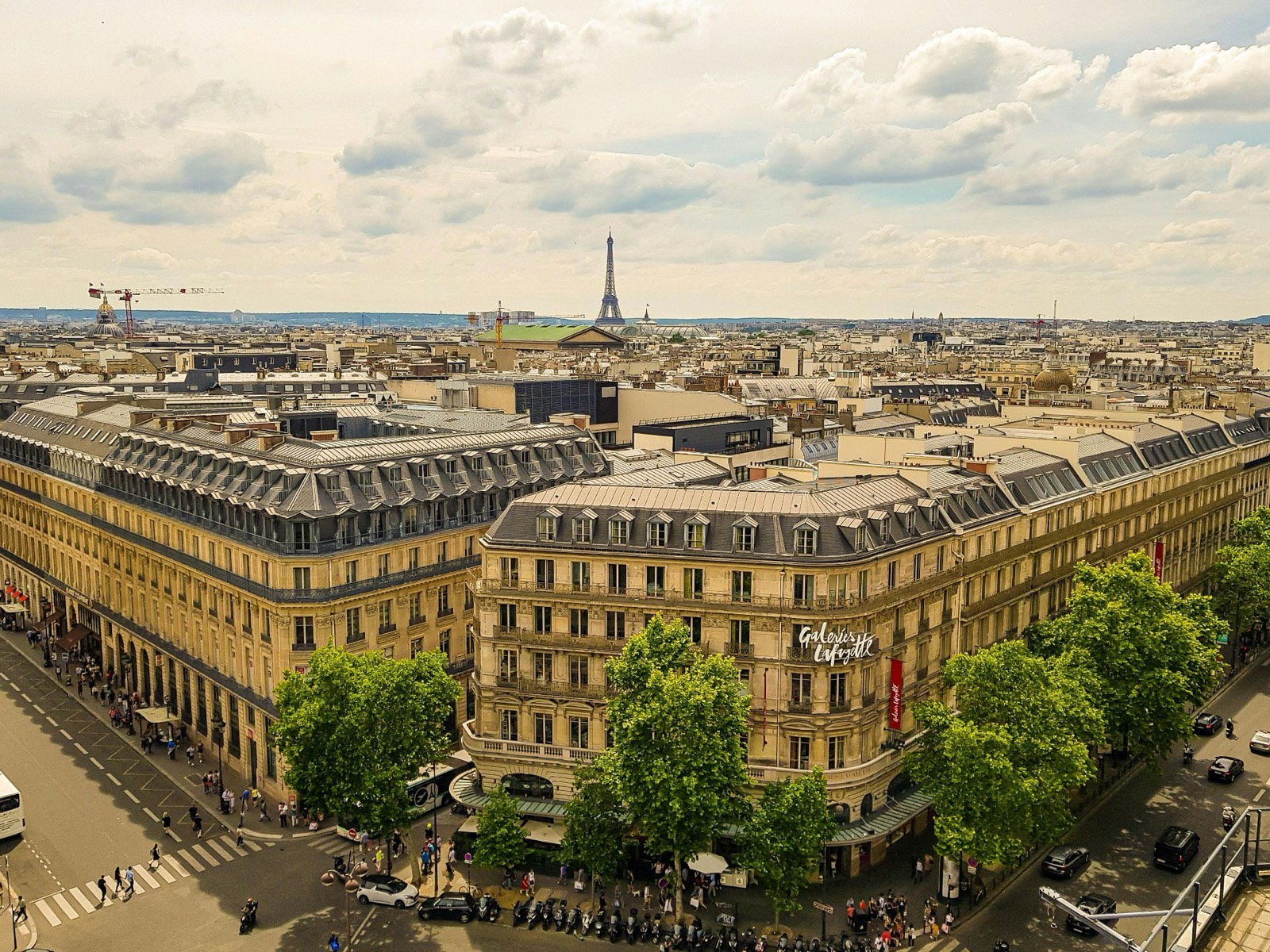
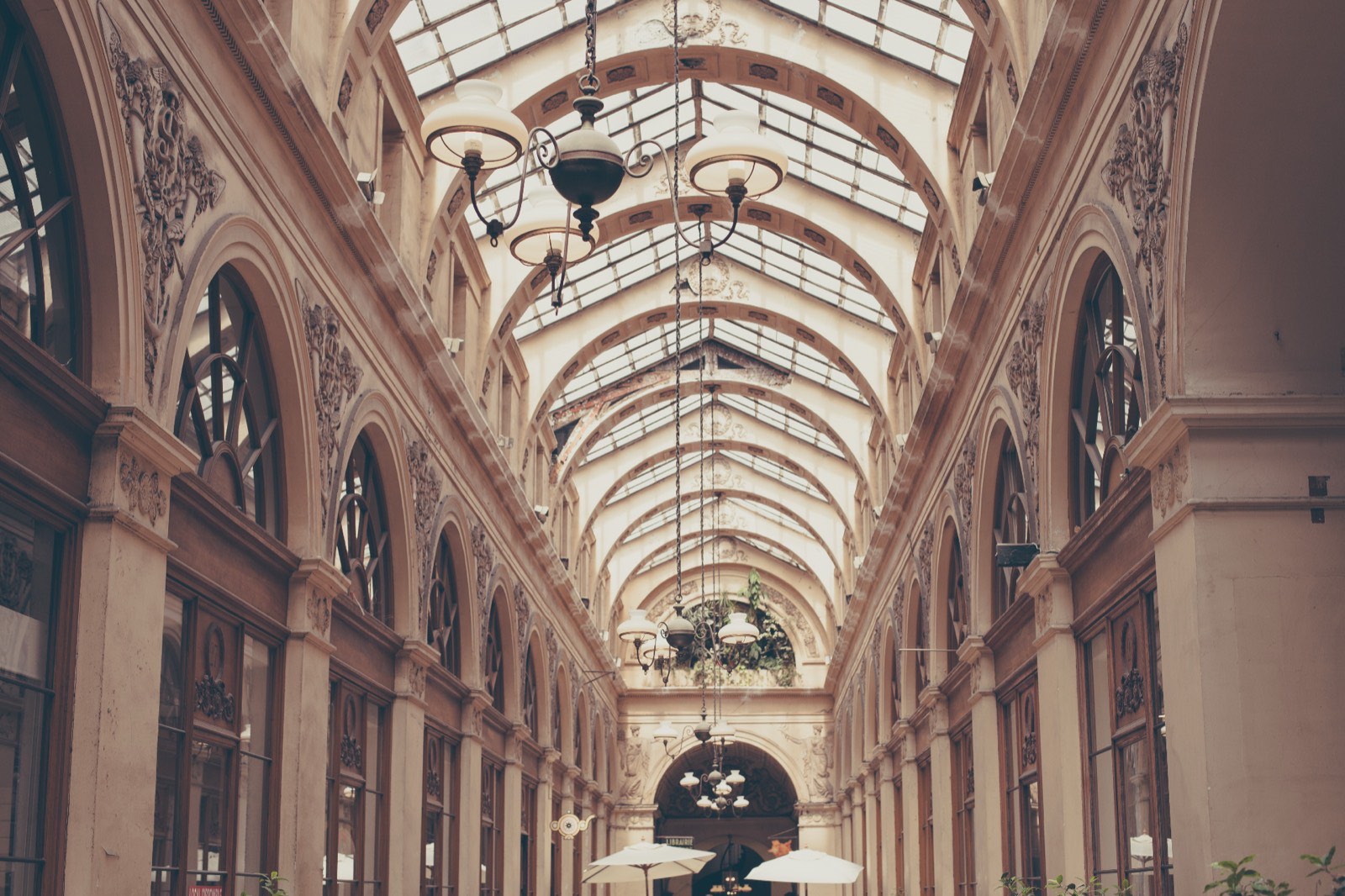
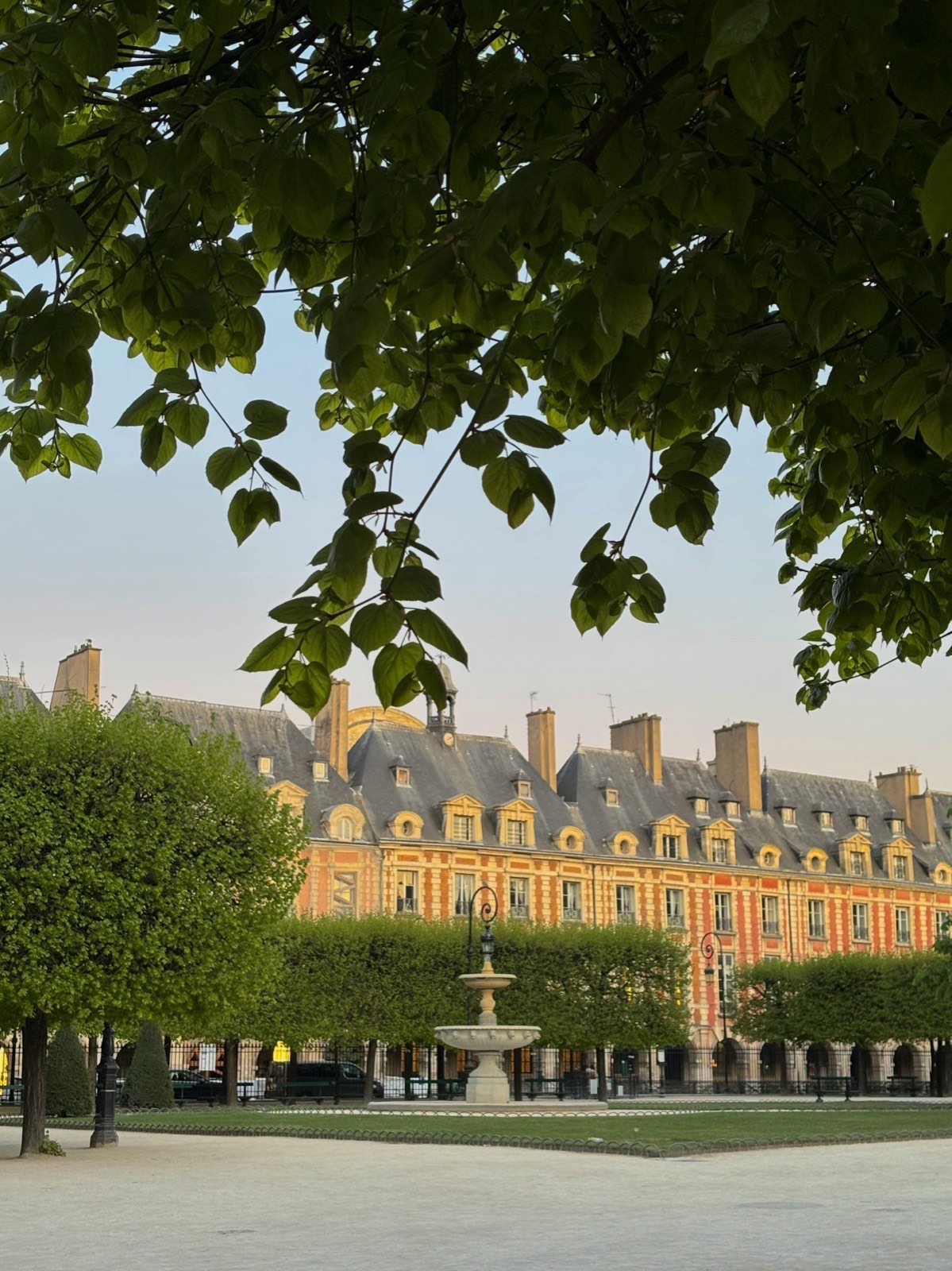
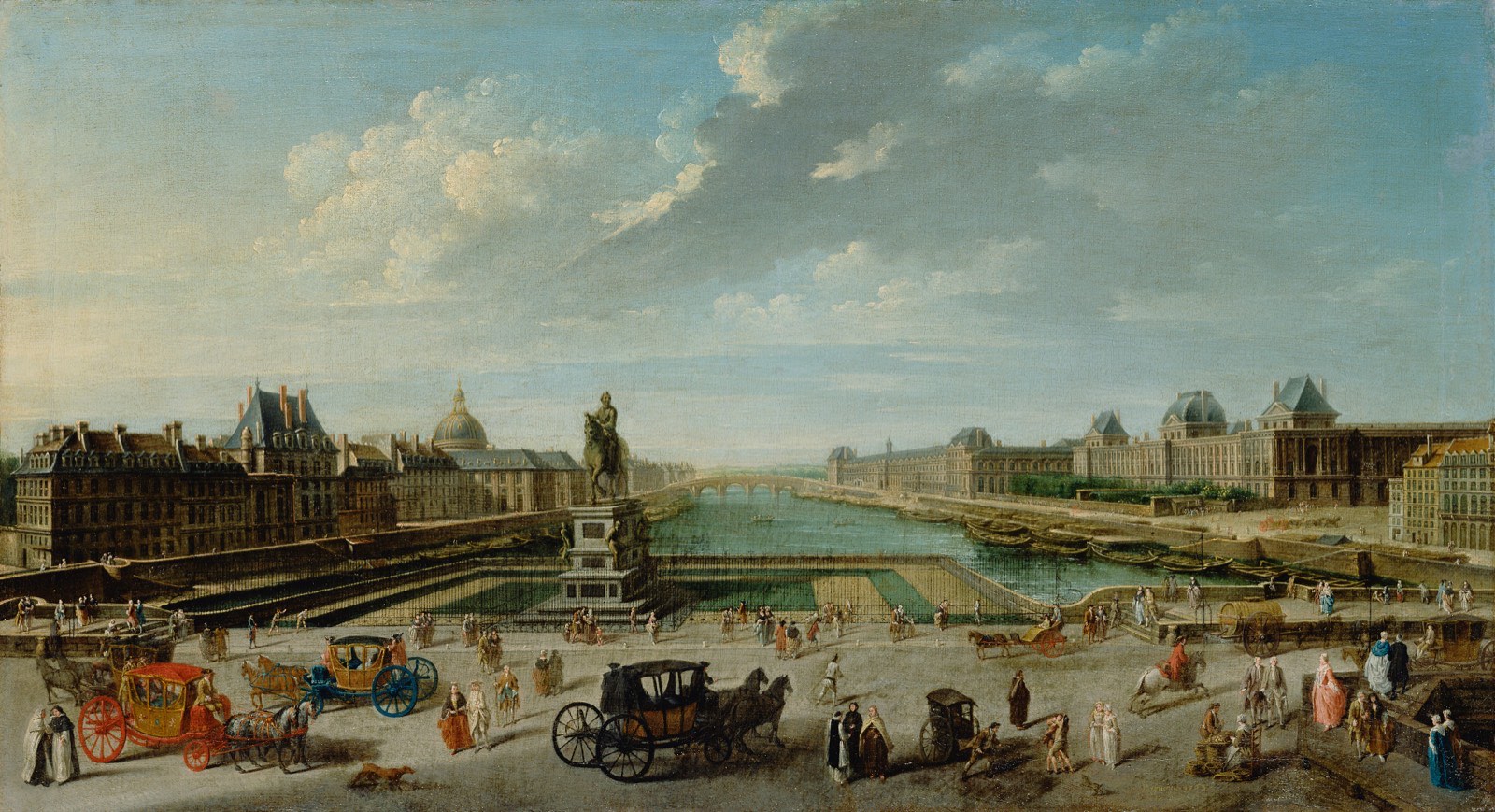
Paris began on an island. The Celtic Parisii tribe settled on the Ile de la Cite around the third century BC. The Romans turned it into Lutetia, building baths, a forum, and an amphitheatre on the Left Bank. When the empire fell, the Franks took over, and King Clovis made Paris his capital in 508 AD. The city grew slowly through the Middle Ages, walled in by successive kings who kept expanding its boundaries. Notre-Dame was begun in 1163. The University of Paris, one of Europe's first, attracted scholars from across the continent. By the seventeenth century, Louis XIV had moved the court to Versailles, but Paris remained the intellectual and commercial heart of France. Then came the Revolution. In 1789, Parisians stormed the Bastille, and within four years France had executed its king, dismantled the church, and rewritten the calendar. The city became a laboratory for radical ideas about liberty, equality, and terror. Napoleon rose from the chaos, crowned himself emperor in Notre-Dame, and reshaped both Paris and Europe. The boulevards you walk today, the grand train stations, the department stores — much of modern Paris was built in the 1850s and 60s by Baron Haussmann, who demolished medieval neighbourhoods to create the city of wide avenues and uniform facades we know now.
Period 2:
Haussmann, Bohemia, and the City That Shaped the World
In the 1850s, Emperor Napoleon III gave Baron Haussmann a radical task: tear down medieval Paris and rebuild it. Haussmann demolished entire neighbourhoods, displaced hundreds of thousands of people, and created the Paris we know today — wide boulevards, uniform cream-coloured facades, and a sewer system that was the envy of the world. The transformation was brutal and brilliant in equal measure. The new Paris attracted artists and writers like a magnet. In Montmartre, painters like Renoir, Toulouse-Lautrec, and later Picasso worked in cheap studios on the hill. On the Left Bank, the cafes of Saint-Germain-des-Pres became the intellectual salon of the twentieth century. Sartre and de Beauvoir held court at the Cafe de Flore. Hemingway wrote at the Closerie des Lilas. James Baldwin found in Paris the freedom that America denied him. The city kept reinventing itself. The Eiffel Tower, built as a temporary structure for the 1889 World's Fair, became the most recognisable building on Earth. The Pompidou Centre, opened in 1977 with its guts on the outside, scandalised and then delighted the city. Today, Paris remains what it has been for centuries: the place where ideas about art, food, philosophy, and how to live go to be tested, argued over, and perfected.